LLM · Real-Time · Hospitality
QuickComm
AI Hospitality Communication Engine
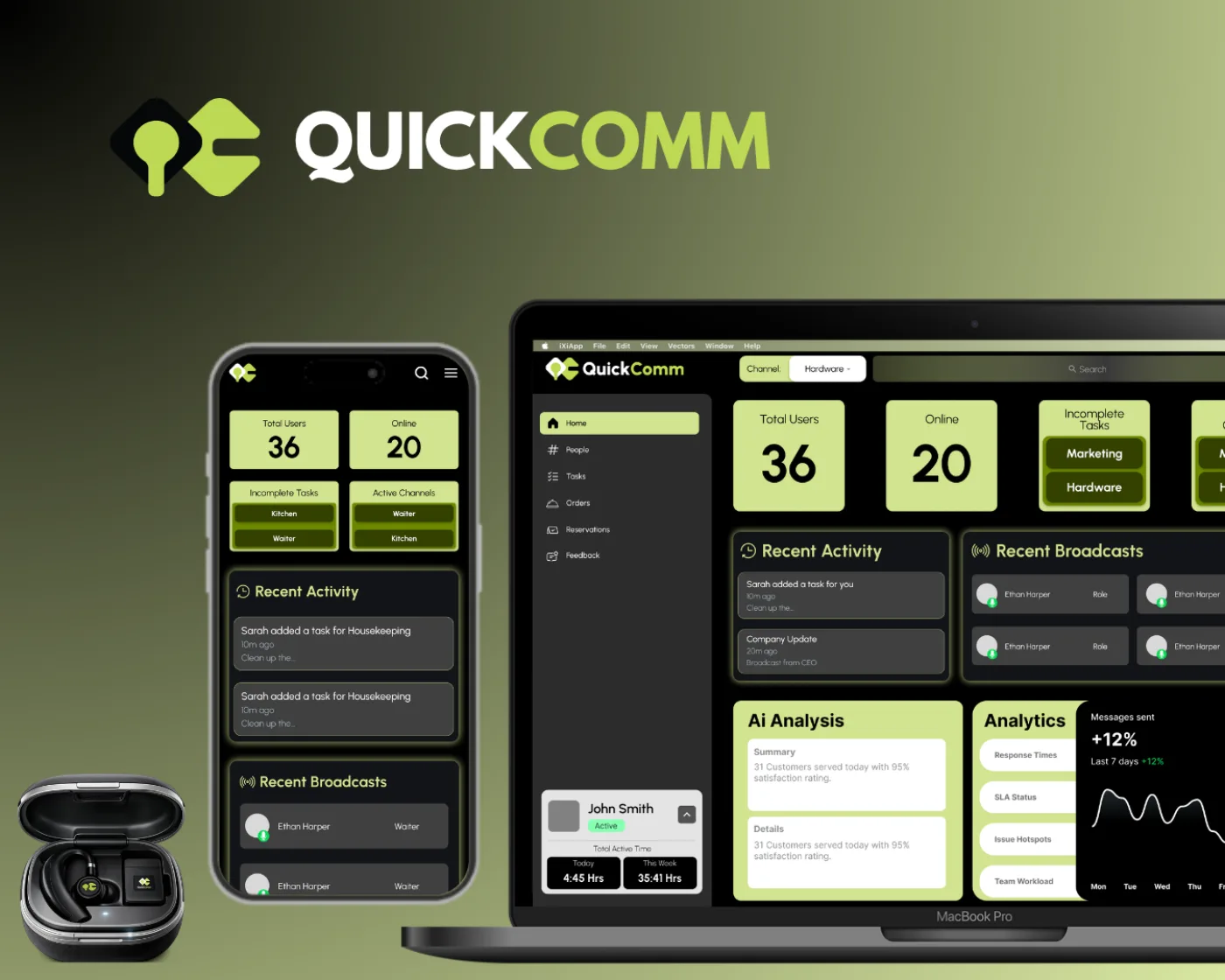
My roleAs Co-Founder & CTO of QuickComm, I architected it and wrote the core voice pipeline, from radio ingestion to routing, then led its migration to microservices.
The situation
Walk any hotel back-of-house and you hear it: "Housekeeping, 412 needs towels." "Engineering, pool pump again." Every request exists for exactly as long as the audio hangs in the air. No record, no routing, no accountability.
The brief was to make that chatter structured, routed and measurable without asking a single staff member to change how they work.
- Keep the radios. Retraining an entire hotel staff off radios is how projects die, so the system had to listen, not replace.
- Radio audio is compressed, clipped by push-to-talk and spoken in fragments of hotel shorthand over static.
- Latency is the UX: a request appearing 3 seconds after speaking is fine; 30 seconds feels broken even at perfect accuracy.
- It had to be cheap enough per property to scale across many hotels.
System architecture
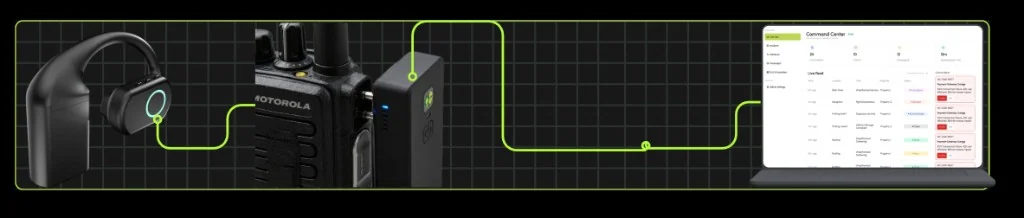
- Hotel radiosPCM audio
- Audio ingestionFastAPI · WebSockets
- Speech-to-textAIWhisper · Deepgram94%+ accuracy
- Intent classifierAIGemini LLM~88% precision
- Team routerRedis · microservices
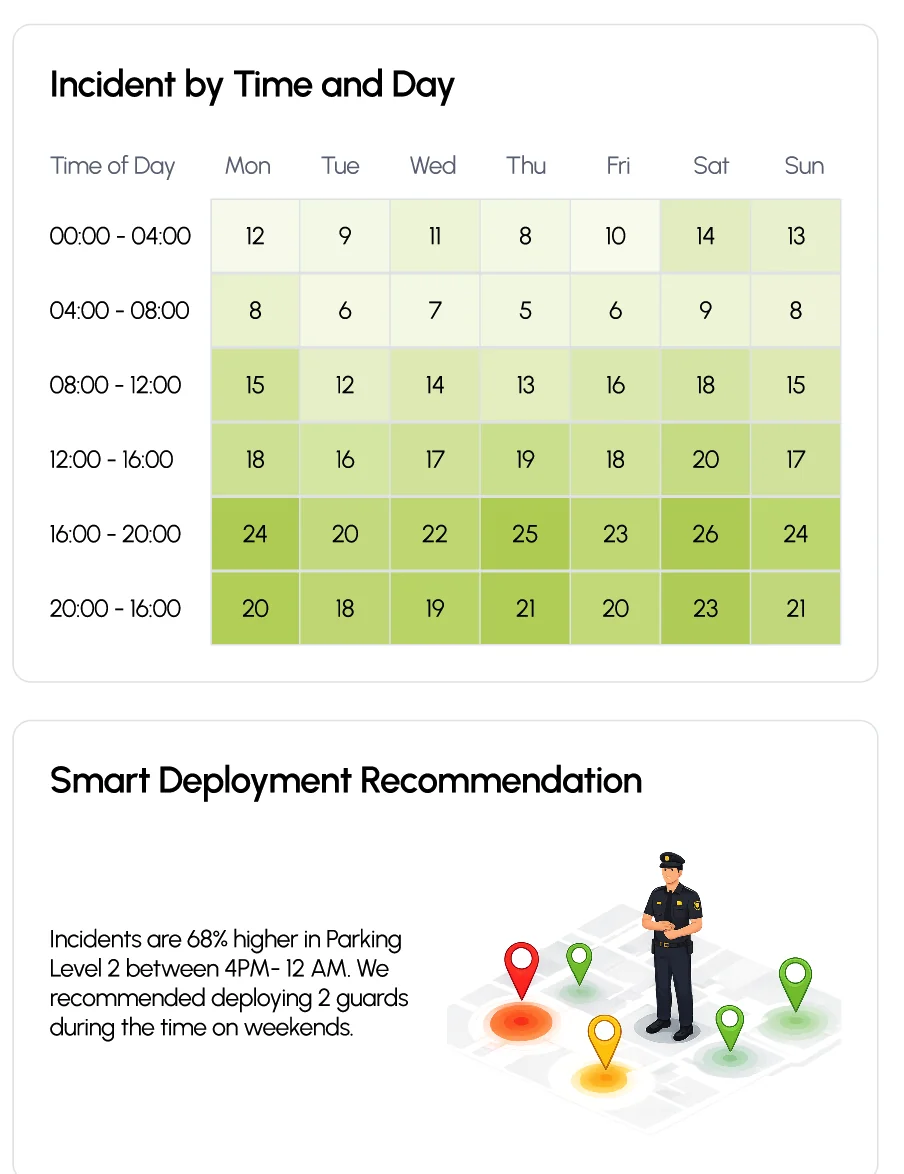
- Health monitoringanomaly detection · AWS70% faster incident response
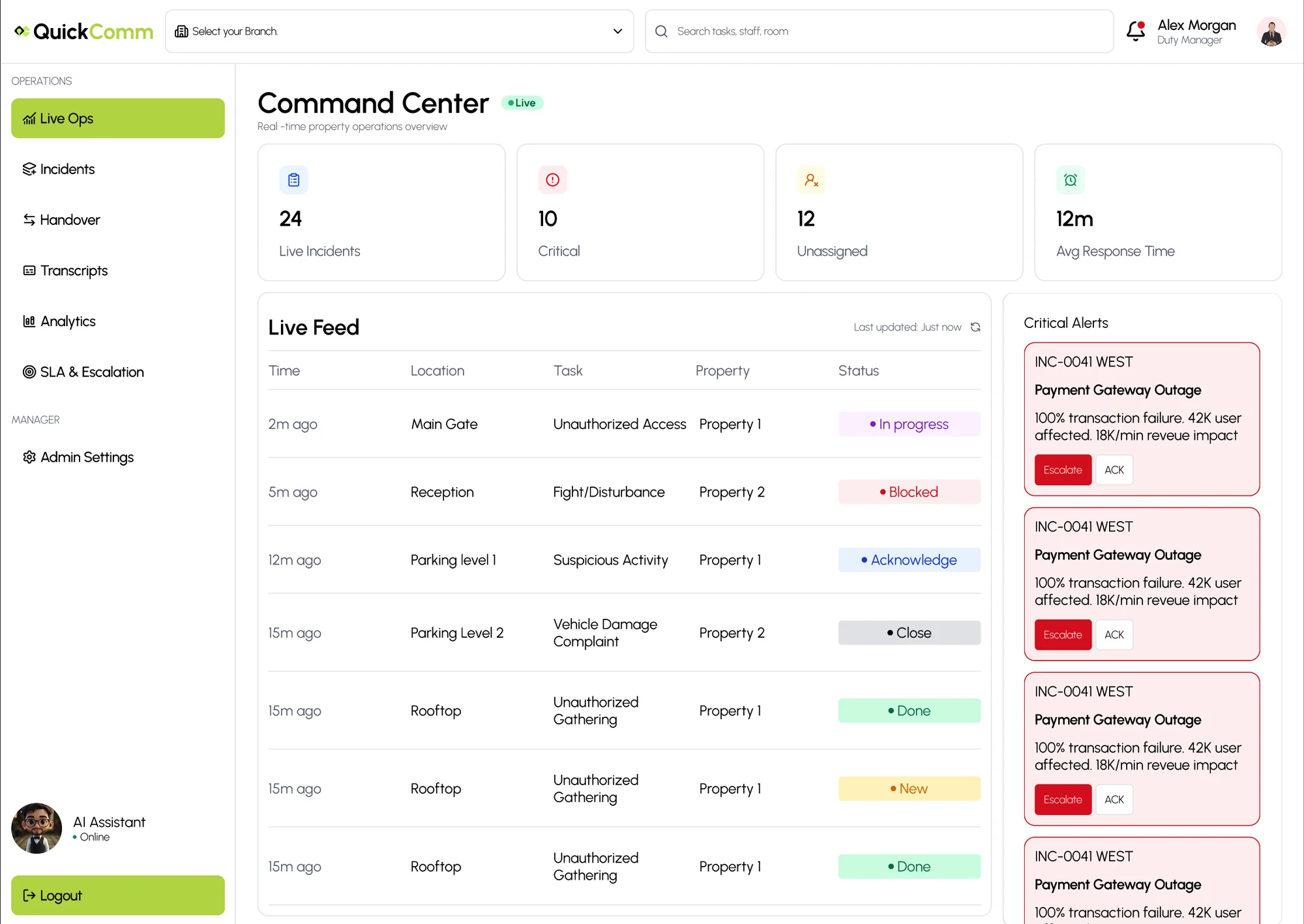
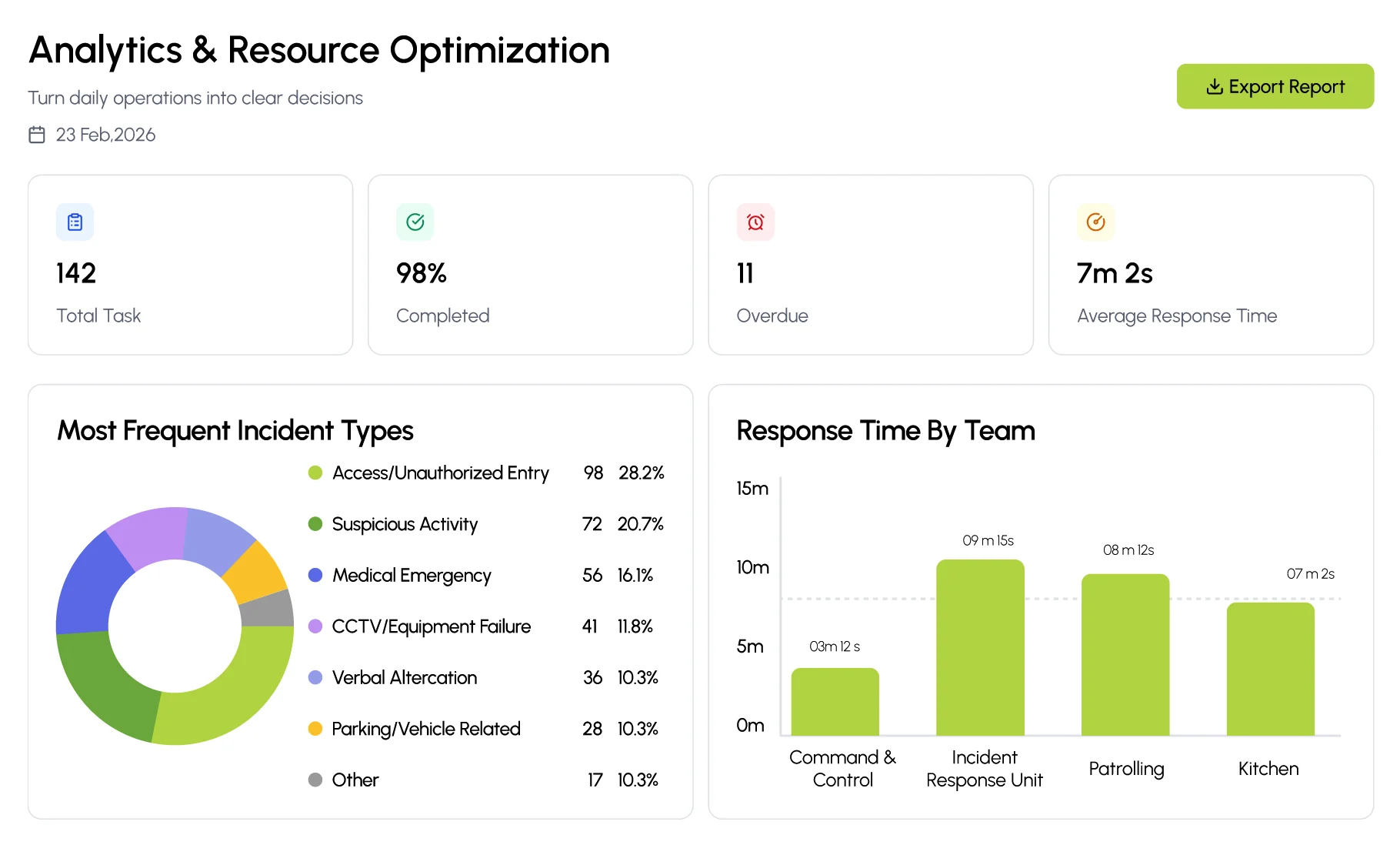
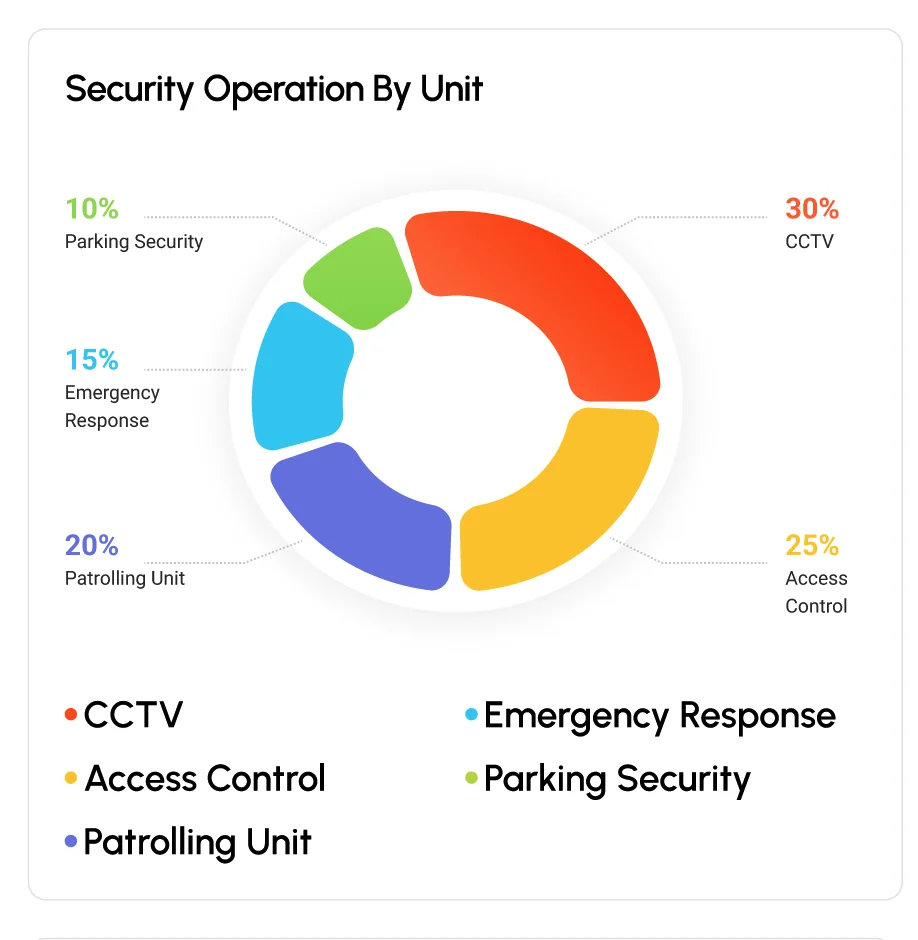
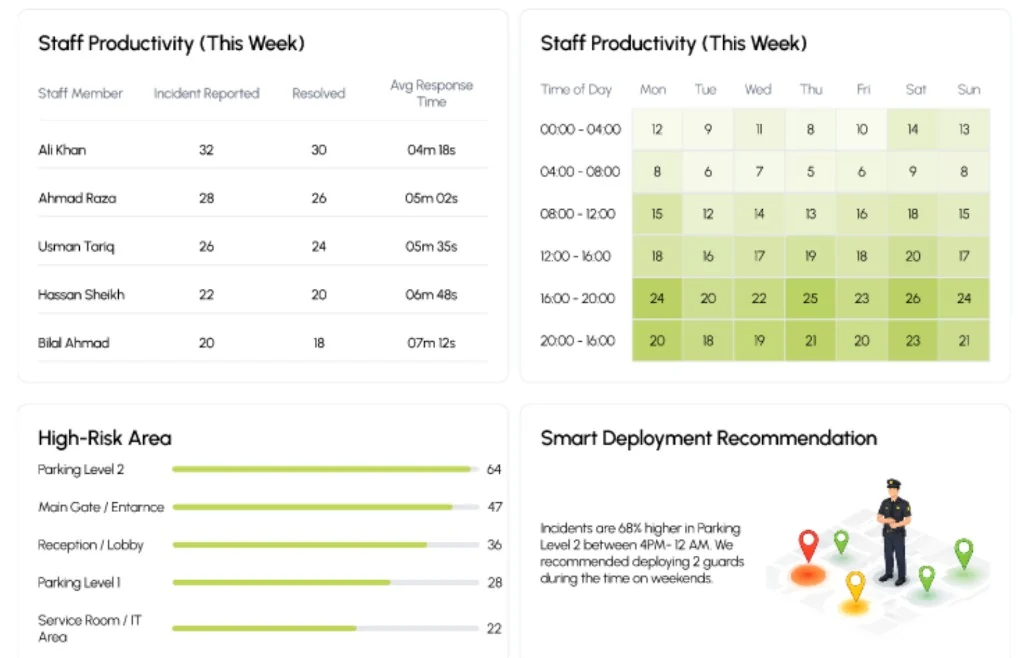
- Command centeranalytics · SLA
- Staff appsinstant task push~45% faster response
Architecture decisions I made
- D1Streaming first, every stage on a latency budgetPCM audio streams per channel into the cloud, streaming speech-to-text, a fast classifier and push delivery over WebSockets. Batch anywhere in the chain would have broken the 3-second feel.
- D2Two speech engines, not one vendorGetting to 94%+ on noisy radio came from audio preprocessing and Whisper plus Deepgram redundancy, not from picking a single provider.
- D3Constrain the LLM with a contractGemini classifies each utterance against a fixed intent taxonomy into a strict JSON schema validated at the boundary, with a mandatory confidence field. Below the threshold, the event routes to a human dispatcher.Trade-off Less "creative" output, in exchange for ~88% precision I can route on without a rules engine I would rewrite forever.
- D4Monolith first, then Strangler Fig to microservicesV1 shipped as a monolith to learn the real load. Audio (CPU-bound), LLM inference (GPU-bound) and the dashboard API scale completely differently, so I extracted them one at a time: REST API, then the LLM pipeline (Redis Streams as the interface), then audio last.Trade-off Function calls became 5 to 15ms network hops, and distributed tracing had to exist before the first extraction.
In practice
One request through the systemillustrative example, real schema
- RadioA housekeeper keys the radio: "Housekeeping, 412 needs towels."
- IngestThe channel's PCM stream arrives over a WebSocket and is preprocessed for radio noise.
- TranscribeStreaming STT returns the utterance as text within seconds.
- ClassifyGemini fills the intent contract; the boundary validates the schema and the confidence.
{ "type": "request", "department": "housekeeping", "room": "412", "urgency": "normal", "confidence": 0.93 } - RouteAbove threshold, the task is pushed to the housekeeping team's app and the command center, with an audit trail.
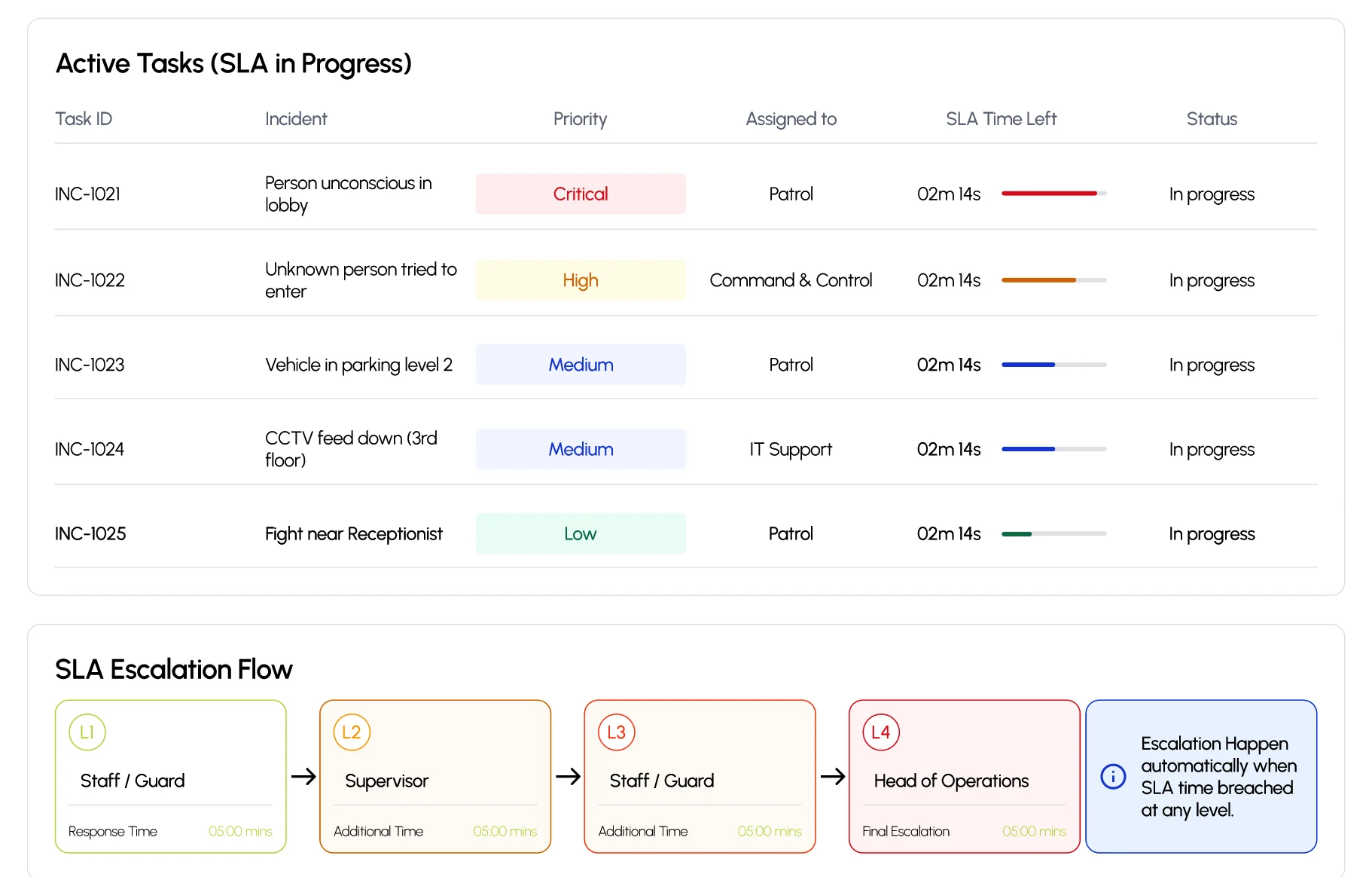
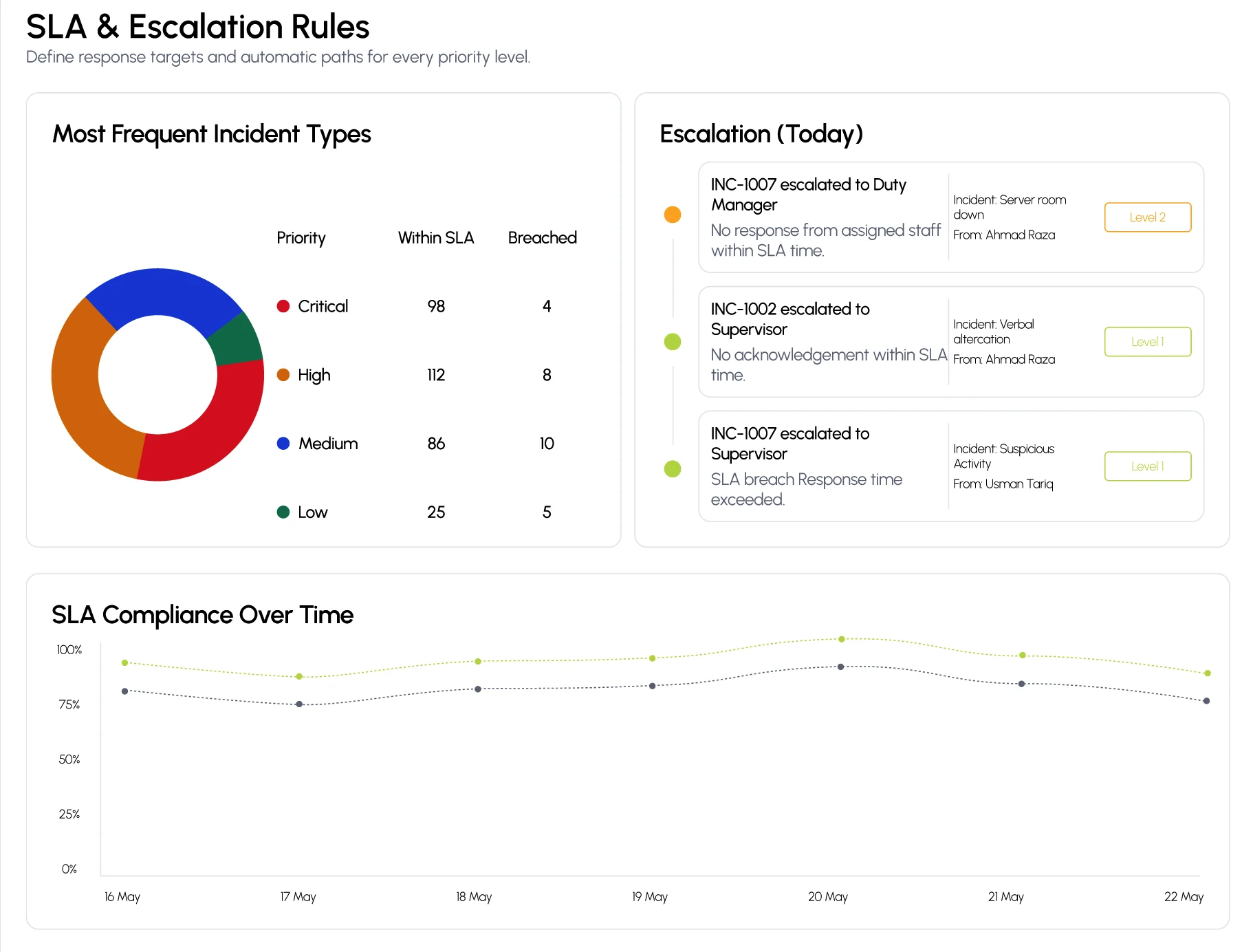
- EscalateIf nobody acknowledges within the SLA, it escalates: staff, supervisor, then head of operations.
Measured in production
What I took away
- Benchmarks are recorded on good microphones. Real audio is its own species: measure on yours.
- An LLM in a production loop needs a schema, validation and a human fallback, or it will improvise.
- Cost is an architecture output: streaming-first plus independent scaling held it to about $3/month per property.
Questions about this project
What problem did QuickComm solve?
Hotel staff coordinated over walkie-talkies: slow responses, no record of requests and no routing. The business needed a product-grade replacement, on an architecture that would hold up as properties were added.
Who built QuickComm, and how does it work?
I did (Qalab Hassnain Agha). As Co-Founder & CTO of QuickComm, I architected it and wrote the core voice pipeline, from radio ingestion to routing, then led its migration to microservices. How it works: I architected the real-time voice pipeline: PCM audio from the radios, Whisper and Deepgram transcription, Gemini intent classification and instant routing to the right staff team over WebSockets. I then led the move from a monolith to AWS microservices. Stack: FastAPI, Gemini API, Deepgram, Whisper, Redis, WebSockets, AWS, Microservices.
What results did QuickComm achieve?
94%+ transcription accuracy on noisy radio audio. ~88% intent precision. ~45% faster staff response times. 3× throughput after the migration, near-zero deployment downtime. Infrastructure held to roughly $3/month per property. 5 P@SHA ICT Awards in 2026.
Can I hire Qalab to build something similar to QuickComm?
Yes. Contracts from $25 an hour, full-time remote from $3,000 a month, fixed-price prototypes from $600 and builds from $2,000, and fractional CTO retainers from $800 a month. Book a free 30-minute call and I will tell you honestly whether and how I would build it.
Gallery